
Journi
Using AI Technology to Help Support Mental Health
My Role and Responsibilities
Product Designer
User + Market Research
User Flows
Information Architecture
Wireframing
Visual Design
Branding
Tools Used
Figma
Miro
Google Suite
Calendly/Zoom
Team
Chris (Stakeholder + Developer)
Me (Product Designer)
As a business
The product removes some of the usual barriers of access to mental health care, settling into the market with other successful wellness digital tools that are personalized, convenient, and accessible, in addition to capitalizing on the newfound interest and excitement surrounding AI technology.
Timeline
Spring-Summer 2023
At a Glance
Competitive Analysis: Mental Health Apps
Journi as a Solution
Research Phase
Meet Maya, our user persona
-
What kinds of digital tools currently exist in the mental health space and why?
The rise of telemedicine within the past 5 years has changed the digital landscape for health technology.
Mental health mobile applications that exist today are designed to help users improve their emotional well-being, become more mindful, and address common mental health issues.
In some cases, I learned a therapy app may be used as a substitute for in-person therapy, as some studies suggest that online talk therapy with an accredited therapist is just as effective as face-to-face therapy in treating conditions like depression, anxiety, and p (PTSD). However, mental health apps that don’t provide direct therapy—such as mindfulness-based and stress relief apps—should not be used as a substitute for therapy. Instead, they are most effective when used as a supplement to counseling.
Mental health apps vary greatly in terms of function, design, purpose, and features. There are six main types of mental health apps, each aimed at helping in a particular area of mental wellness. These areas include:
Social support and community
Tracking symptoms of a mental health condition
Life skills training
Self-care
Improving thinking patterns
Collecting data about mood and other aspects of mental health
Some also offer online mental health care (such as talk therapy or psychiatric care) directly.
-
Who most often receives mental health treatment?
In the United States, women are almost twice as likely than men to have received mental health treatment in the past year, with around 21 percent of adult women receiving some form of mental health treatment in the past year, as of 2020. Considering age, those between 18 and 44 years are more likely to receive counseling or therapy than older adults, however older adults are more likely to take medication to treat their mental health issues. Furthermore, mental health treatment in general is far more common among white adults in the U.S. than among other races or ethnicities. In 2020, around 24.4 percent of white adults received some form of mental health treatment in the past year compared to 15.3 percent of black adults and 12.6 percent of Hispanics. (Source)
Reasons for not receiving mental health treatment:Although stigma surrounding mental health treatment has declined over the last few decades and access to such services has greatly improved, many people in the United States who want or need treatment for mental health issues still do not get it. For example, it is estimated that almost half of women with some form of mental illness did not receive any treatment in the past year, as of 2020. Sadly, the most common reason for U.S. adults to not receive mental health treatment is that they could not afford the cost. Other common reasons for not receiving mental health treatment include not knowing where to go for services or simply not having enough time.
-
Purpose
The purpose of conducting a survey in the research plan is to attempt to confirm the identify of the target user base for the RoseBuddy app. I plan to to determine: user demographics, mental health concerns, journaling habits, and preferences for features or pain points with current journaling methods.
Questions
What is your age?
What is your gender identity?
What is your highest level of education completed?
What is your employment status?Do you have a history of mental health concerns? If yes, please specify the concerns.
Have you used any mental health apps in the past? If yes, please specify the app(s) and your experience with them.
How often do you journal
What types of things do you typically write about in your journal?
Have you used a journaling app before? If yes, please specify the app(s) and your experience with them.
What features do you think are important in a mental health journaling app? (e.g., mood tracking, goal setting, reminders, prompts, social support, privacy features, etc.)
What do you find challenging about journaling for mental health?Have you ever shared your journal entries with a mental health professional or trusted friend/family member? If yes, please specify the person and your experience with sharing.
What do you think would motivate you to continue using a mental health journaling app?
Are there any specific pain points you associate with journaling for mental health or with using mental health apps in general?
Is there anything else you would like to share about your experiences with mental health journaling and/or apps?
Results
The anonymous survey responses confirmed our target demographic to be young professional women with a history of mild/treatable mental health disorders. 83% of responders were also of either White or Asian/Pacific Islander descent.
After completing my secondary research on demographics most likely to integrate a health app into their lifestyle and/or engage with a daily journaling practice, I outlined the user persona for Maya, who helped visualize and give life to the target user during the design process.
I also conducted a competitor analysis to see what other digital products are potentially used for a range of our target users needs within the mental health technology landscape.
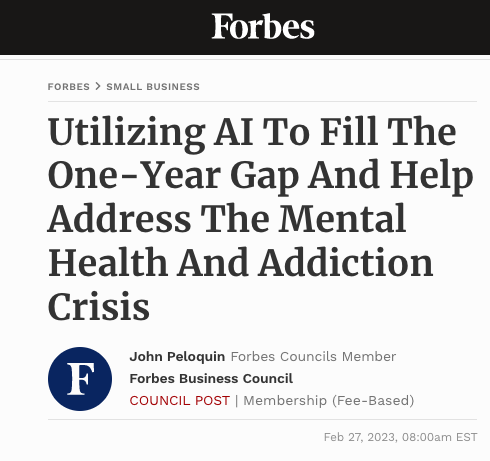
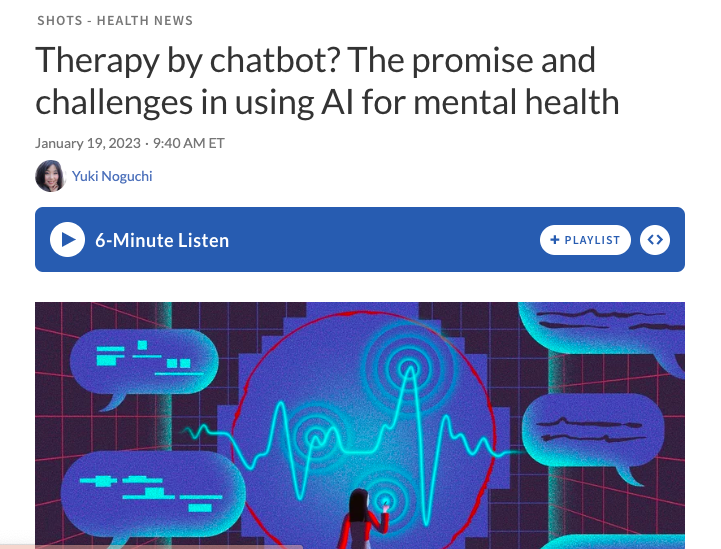
The conversation surrounding Artificial Intelligence technology and its role in our lives is currently at the forefront of the digital landscape. As a former mental healthcare professional, I have been fascinated with the debate and had an opportunity to take an active step in helping shape its future with the development of tools that can help improve access to mental healthcare.
An overwhelming demand for behavioral health services is leading providers to look to technology for help…
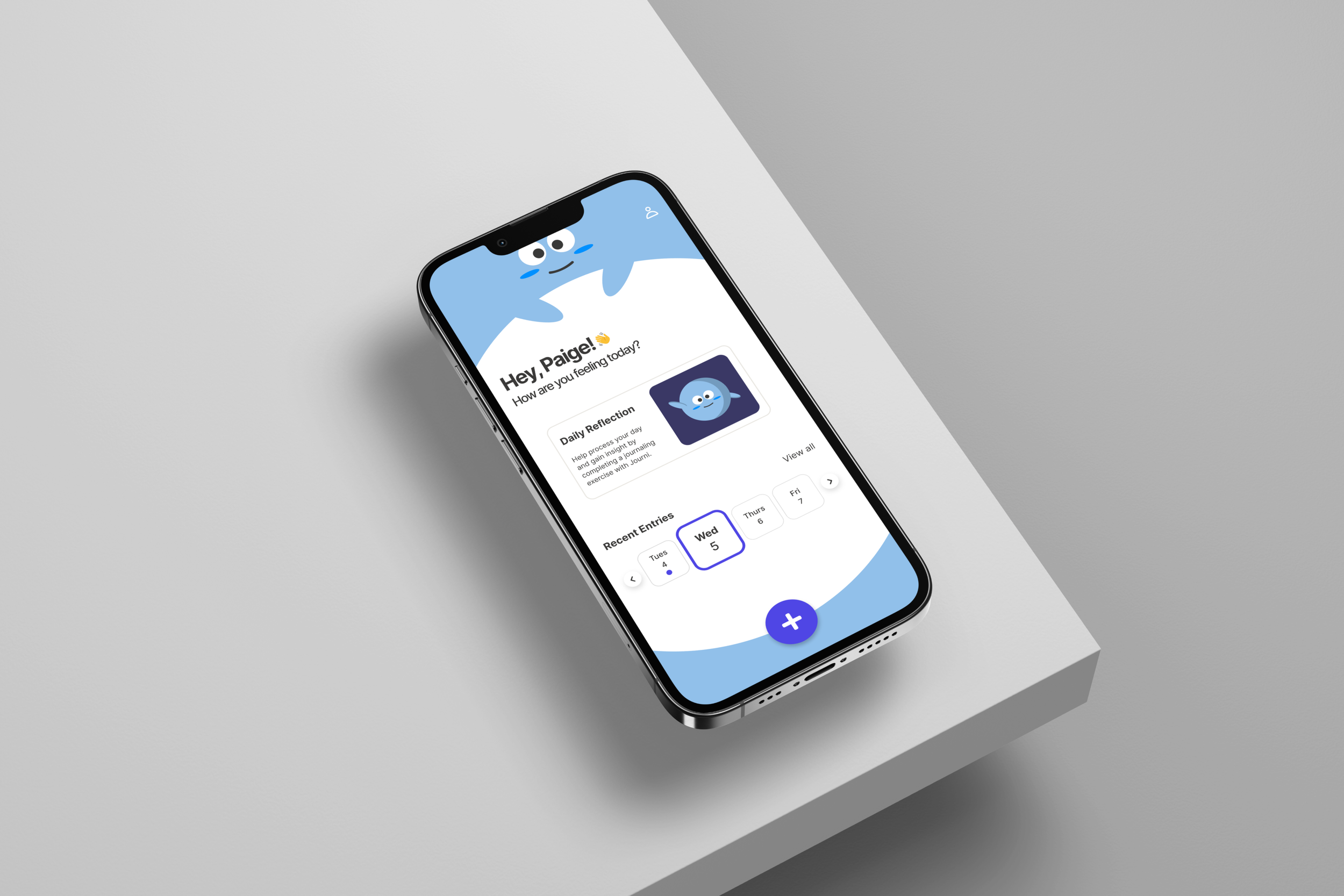
Journi is a digital pocket daily journaling tool that utilizes an AI chatbot to guide users through mindfulness techniques to help support their mental health.
Problem Context
For users
The app is an engaging and easy to use journaling tool that allows people to form and keep the habit to help support their overall mental health or therapy journey.
The Debate: AI and Healthcare

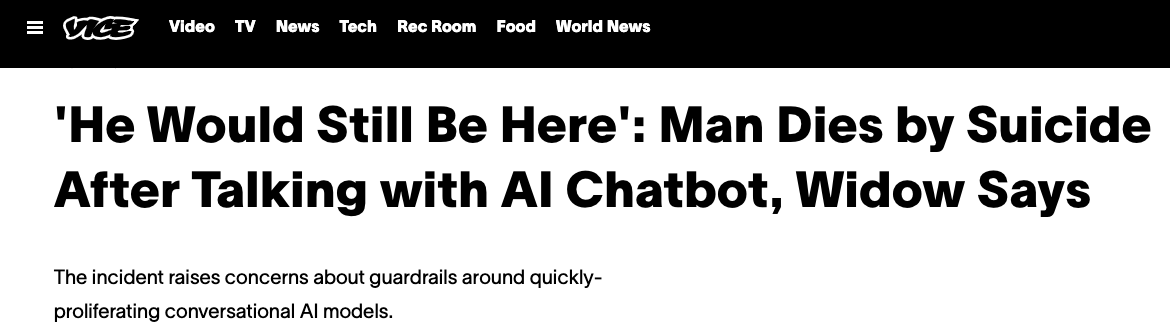
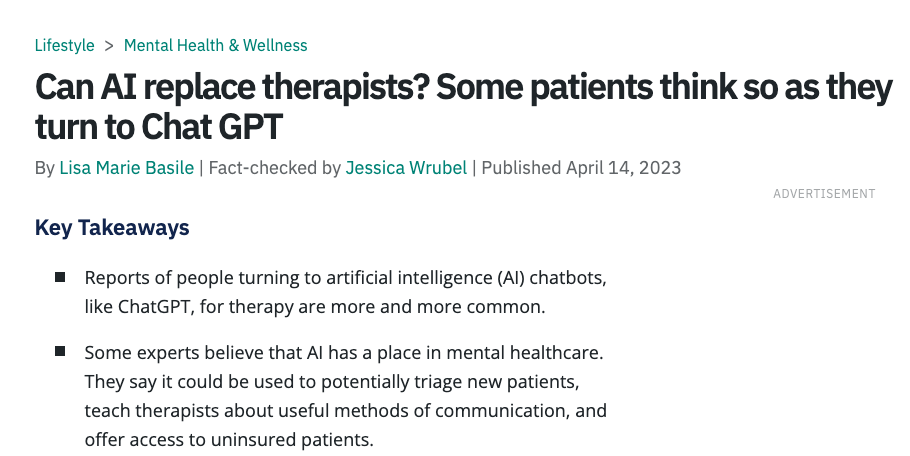
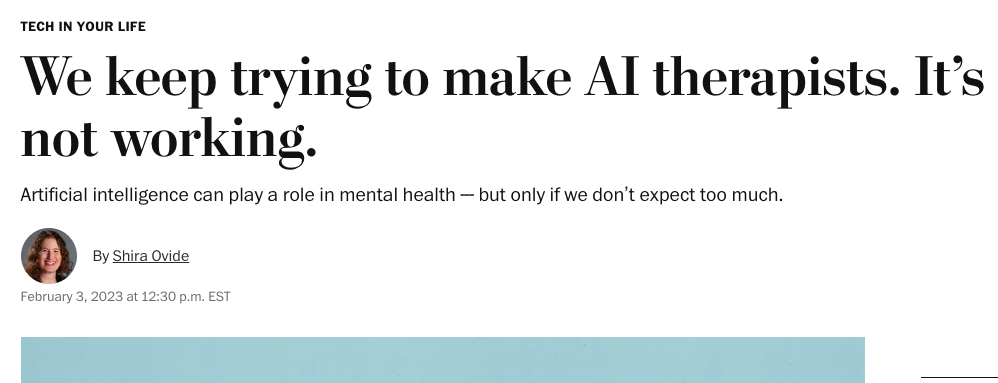
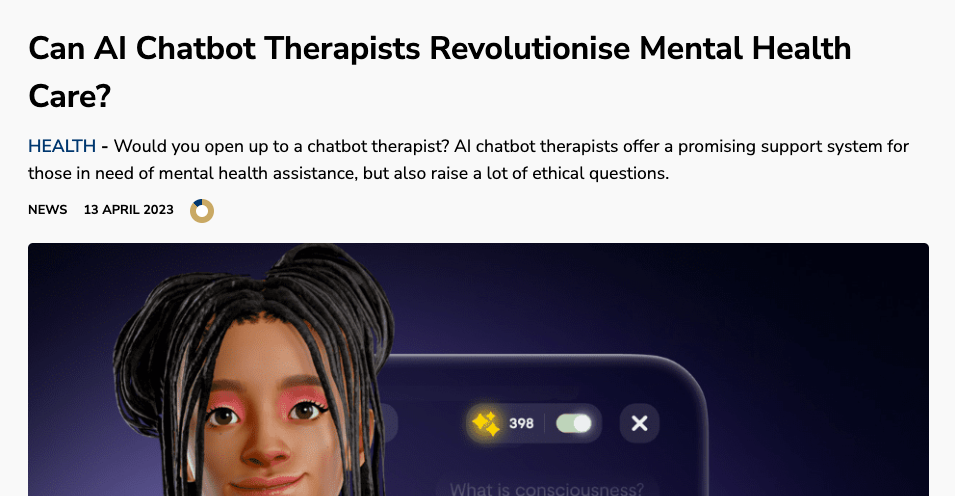
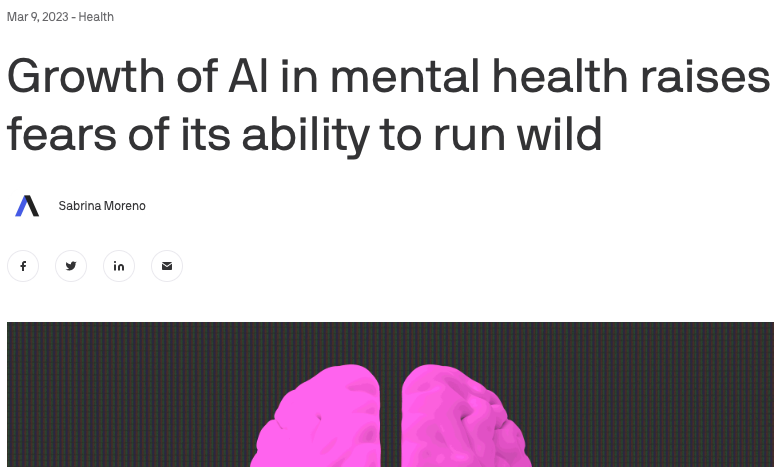
Mental health apps have shown that they can help individuals dealing with common mental health challenges, such as depression, stress, anxiety, or grief, and also help you deal with day-to-day problems like insomnia, lack of focus, and procrastination. The debate surrounding the efficacy and ethics of integrating AI technology into these digital tools continues as newer research emerges.
Notable Quotes
-
![]()
“I don’t journal daily, or even weekly. It’s just something I know I can turn to when I feel any sense of overwhelm, and it almost instantly makes me feel better, or at least more level headed.”
-
![]()
“Completing courses which had daily practices [made the app motivating]... It was motivating that they were for beginners and helped you practice meditation skills, which were built upon throughout the course”
-
![]()
“Yes, [ journaling] helped me reflect on my day, and better process my emotions after my emotions were no longer controlling my thinking.”



Analysis and Insights
Individuals might especially benefit from using an online therapy app if they:
Live in a remote area
Need to find a more affordable form of therapy
Have a busy schedule
Feel more comfortable communicating via text
Have a disability that makes face-to-face therapy less accessible
Market Value
All responders that engaged with an analog or digital journaling practice noted it helped improve their mental health in a noticeable way.
Knowing this, how might we….
Navigate this new landscape of integrating AI technology into all aspects of our personal and professional lives and design with ethical patterns and practices?
Design Phase
Content: Mindfulness Exercise #1
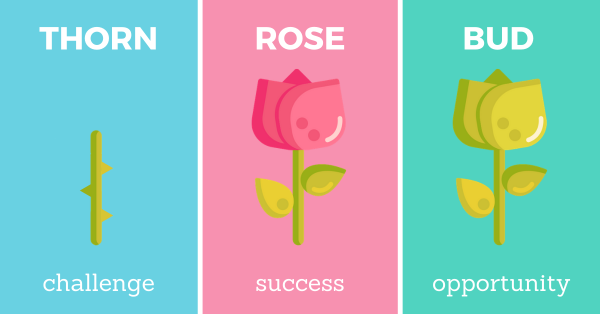
The first of the mindfulness techniques to be integrated into Journi is Rose, Bud, Thorn; a simple reflection exercise that can help you cultivate gratitude, awareness, and a deeper understanding of your experiences.
Integrating AI into the Experience
Wireframes
Safety Protocols
-
The fear is now concentrated around whether the technology is beginning to cross a line and make clinical decisions, and what the Food and Drug Administration is doing to prevent safety risks to patients.
A September FDA report found the agency's current framework for regulating medical devices is not equipped to handle "the speed of change sometimes necessary to provide reasonable assurance of safety and effectiveness of rapidly evolving devices."
Experts predict it will take a combination of tech industry self-policing and nimble regulation to instill confidence in AI as a mental health tool.
-
AI technology is being deployed to analyze patient conversations and sift through text messages to make recommendations based on what we tell doctors.
It's also predicting opioid addiction risk, detecting mental health disorders like depression, and could soon design drugs to treat opioid use disorder.
High Fidelity Design
Pain Points
Simplicity and ease of use with health-centered mobile apps were the most important features to the survey responders

The (beta) Journi solution:
includes disclaimers and warnings to users about the current limitations of the technology as a healthcare “provider”
a limited response range (less room for error)
includes self-reporting features for potentially inappropriate AI-generated responses
is designed with user testing pre-launch in mind
User Needs
The majority of responders cited gratitude as one of the main areas of focus for their regular journaling practice
The Rose, Bud, Thorn mindfulness technique is a powerful yet elegant framework of thought easy enough for people to integrate into their daily lives, however, like most of these practices, people struggle with consistency because of:
analog format, which requires a high effort and activation energy for people to engage with, as opposed to other digital activities
primarily an individual exercise; unless participating in the activity as a group or while working with a therapist, the exercise is not interactive or engaging and lacks social opportunities
lacks accountability; the habit formation loop is non-existent without feedback and individuals can lose interest and consistency quickly
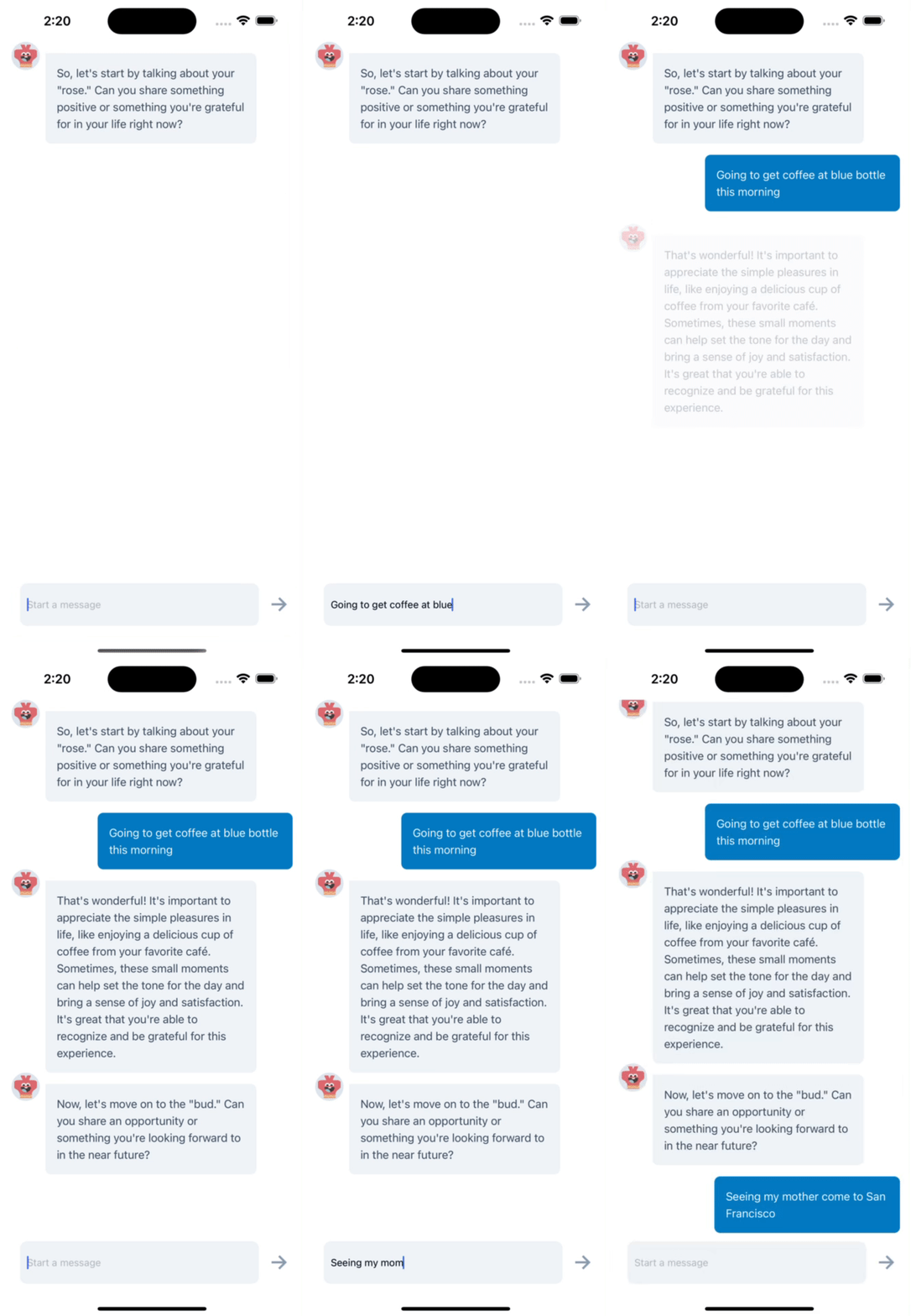
With the recent increase in AI technology efficacy and interest, we felt the solution for increasing people’s exposure and consistency in this technique would be to integrate a chatbot that provided prompts and responses for each step and entry. We believe this will create a more engaging user experience that would target the habit formation loop, provide instant reinforcement, and be more fun for individuals interested in starting or maintaining a journaling practice.
Next Steps

Usability Testing; We will be moving onto the next phase with a diary study and a group of beta testers to polish the user experience and catch any potential response errors from the AI before launching the MVP.
Beyond the MVP; As the technique can be applicable in many settings (such as; a group reflective exercise in the workplace, as a journal for individuals, and as an activity in mindfulness for children learning to process their emotions and experiences) the intent of the MVP is to narrow down the user experience to the individual level and then expand outwards to additional use cases and eventually as a social experience.